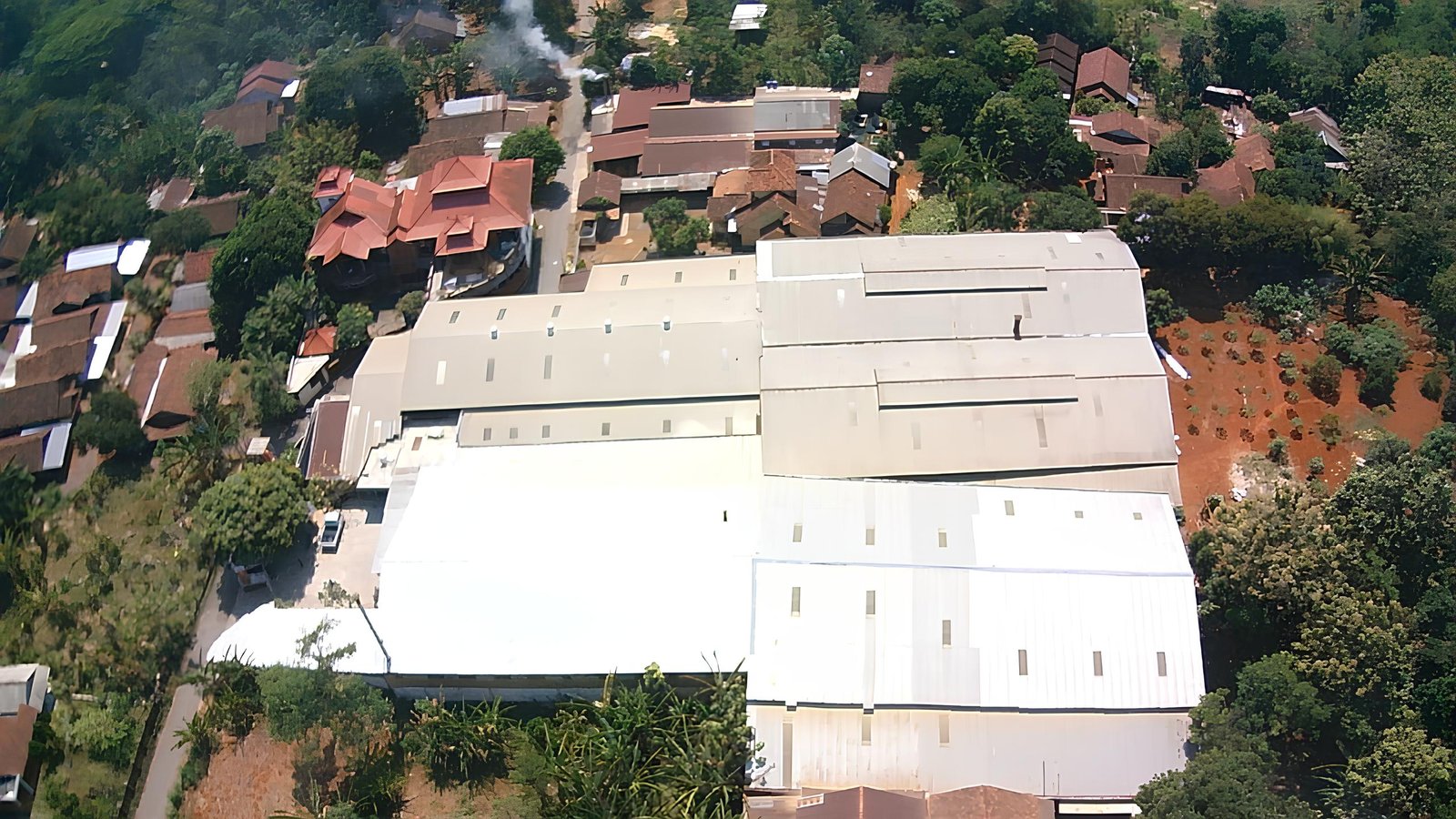
When talking about Indonesian furniture, it’s nearly impossible to skip Jepara. This small regency on the north coast of Central Java has been known for centuries as the “carving city” — the place where teak wood is transformed into pieces shipped around the world. Behind that big reputation stands a network of thousands of small businesses and production workshops that keep the industry running. Three of them — Jeparabot, KagunaFurn, and CV Kina Citratama — offer a good example of how Jepara’s furniture ecosystem actually works, from raw material to finished export.
Jepara: A Carving Heritage That Became an Export Engine
Jepara isn’t just a production location — it’s an identity. Sub-districts like Tahunan and Sukodono form the industrial pockets of the furniture trade, packed with home workshops and mid-scale factories connected through a shared supply chain: wood suppliers, carvers, finishing units, and exporters who handle documentation and international shipping.
Jepara’s strength comes from a combination of three things: access to quality teak from licensed plantations, carving skills passed down through generations, and export networks built over decades. Products from Jepara reach markets across Europe, the US, Australia, and Asia — backed by production standards such as kiln drying, which prevents wood from cracking or warping after it arrives at its destination.
CV Kina Citratama (Jeparabot) — A Long-Standing Exporter
CV Kina Citratama, operating under the brand Jeparabot, is one of the industry’s established players. The company traces its roots back to October 1990 (originally operating as CV Kinatama), with a focus on finishing and exporting handcrafted wooden furniture — ranging from antique reproduction pieces and rattan furniture to sea grass, water hyacinth, mahogany, and teak garden furniture.
A few things stand out about Jeparabot / CV Kina Citratama:
- Production base in the Sukodono and Langon areas, Tahunan District, Jepara.
- Product focus: export-grade solid teak indoor and outdoor furniture, with additional material options such as mahogany, sungkai, and oak.
- Kiln drying is applied both before and after the furniture is assembled, to keep the wood stable over the long term.
- Export reach: Asia, Europe, the Americas, and the Caribbean, supported by a network of roughly 200 furniture craftsmen in Jepara.
- Backed by modern woodworking machinery and quality control from material selection through to packaging.
Jeparabot’s business model reflects a classic pattern among Jepara’s older-generation exporters: built on decades of trust with overseas buyers, backed by consistent quality standards and production processes.
KagunaFurn (Karya Guna Furniture) — A More Digital-First Face
KagunaFurn, located on Jl. Sultan Hadlirin, Karang Anyar, Langon — also in Tahunan District, Jepara — represents a different side of the industry: a manufacturer actively building its digital presence through its own e-commerce website, online product catalog, furniture guide blog, and regular social media content.
What sets KagunaFurn apart:
- A broad product range: chairs, cushions, tables, sofas, stools, cabinets, and even sauna products — showing a fairly wide diversification for a Jepara-based exporter.
- Content-driven approach: regularly publishing blog articles and furniture guides, a strategy that’s becoming increasingly important as buyers shift toward researching products online before making a purchase.
- A modern business structure: equipped with an online shop featuring a shopping cart system, suggesting KagunaFurn isn’t relying solely on the traditional B2B export model but is also opening up direct-to-customer channels.
Interestingly, both KagunaFurn and Jeparabot / CV Kina Citratama are based in the same Langon area of Tahunan — a reminder of just how concentrated Jepara’s furniture production cluster really is, where neighboring companies may well share access to the same pool of craftsmen, raw materials, or even business networks.
The Common Thread: Tradition in Transition
A clear pattern emerges from these three profiles:
- The foundation stays the same — solid quality wood, skilled carving craftsmanship, and mature production processes (kiln drying, precise joinery).
- The market pathways are widening — from a purely B2B export model built through trade shows and long-standing buyer relationships, toward digital marketing, dedicated websites, and even direct-to-consumer sales.
- Competition is intensifying — it’s no longer just about who carves best, but also about who builds the strongest brand presence online.
Companies like Jeparabot, with decades of history and international buyer trust, sit alongside players like KagunaFurn pushing further into digital and direct selling — both proving that Jepara remains the gravitational center of Indonesian furniture, even as it transforms to match how people search for and buy furniture today.
Note: some of the information in this article is drawn from publicly available details on each company’s own website (as of August 2026). If you need a more specific version — a company profile draft, “about us” copy for a website, or buyer pitch material — just let me know which part to focus on.
